 Synthyra
April 22, 2025
BlogResearchSynteract2: The Next Stage in Protein Interaction Prediction
Synteract2 builds on the Synteract research line by comparing protein-protein affinity prediction and binding-site prediction against prior models and structure-based baselines.
- Protein Protein Interaction
- Synteract
- Atlas
By Logan Hallee
The Problem: Interaction Prediction Needs More Than a Yes or No
Early protein-protein interaction models usually ask whether two proteins are likely to interact. That binary question is useful, but it is not the only question researchers need.
If two proteins may interact, a team often wants to know how strong the relationship might be, where the binding interface may sit, and whether the prediction is worth a more expensive structural or experimental follow-up.
Synteract2 moves the research line in that direction.
The Core Idea
Synteract2 keeps the sequence-first premise: protein sequences contain enough information to support useful interaction triage.
The next step is richer prediction. Instead of treating interaction modeling only as a binary classification problem, Synteract2 evaluates signals related to affinity and binding-site localization. That makes the model more useful for practical design and screening workflows, where ranking candidates is often as important as labeling them.
Affinity Prediction
The affinity evaluation focuses on protein-protein measurements where the relevant complex contains two protein chains. The Haddock dataset used here is trimmed to examples where only two protein chains are involved in the binding affinity measurement.
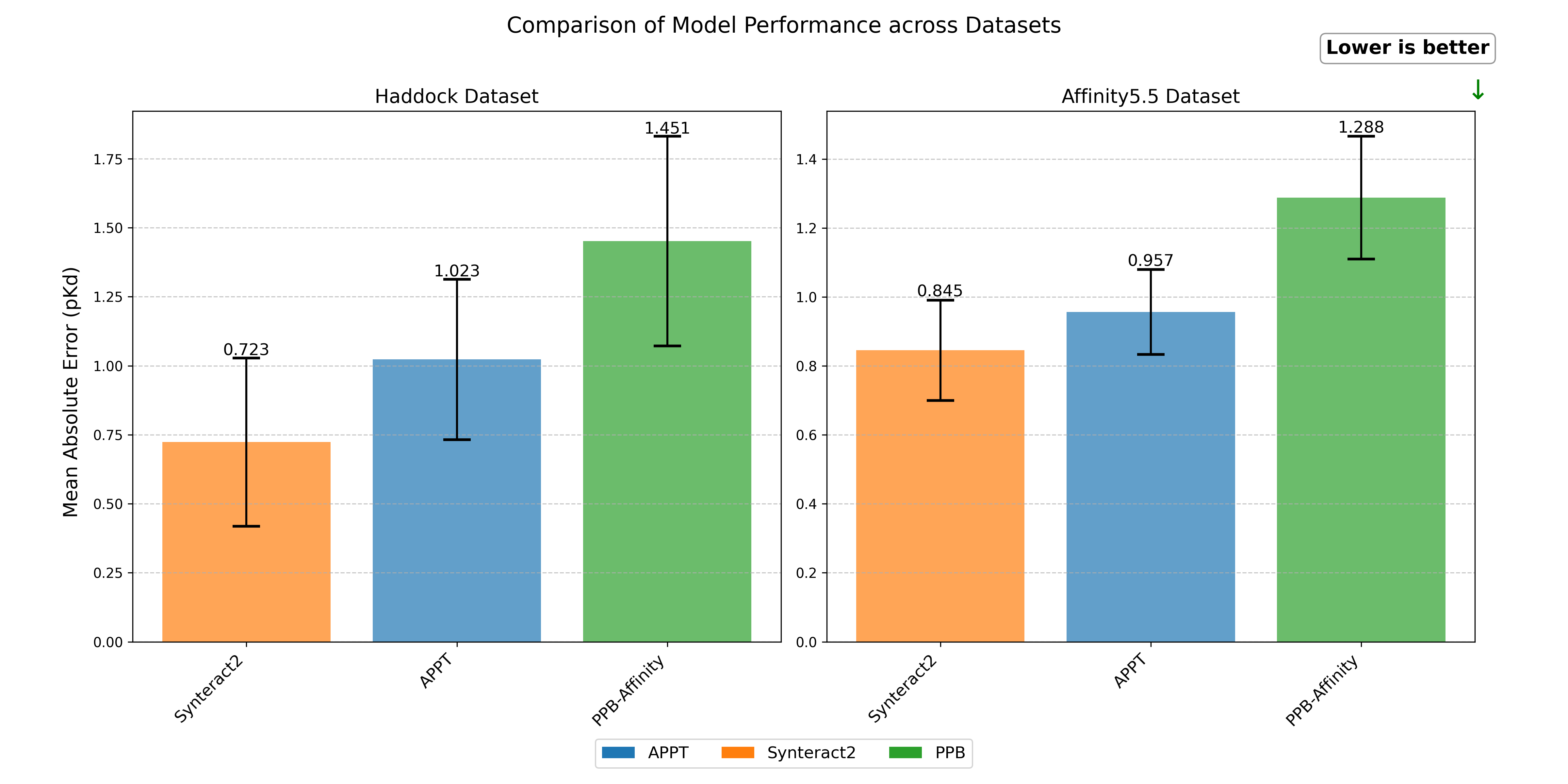
Figure 1: Protein-protein affinity prediction error compared with previous models.
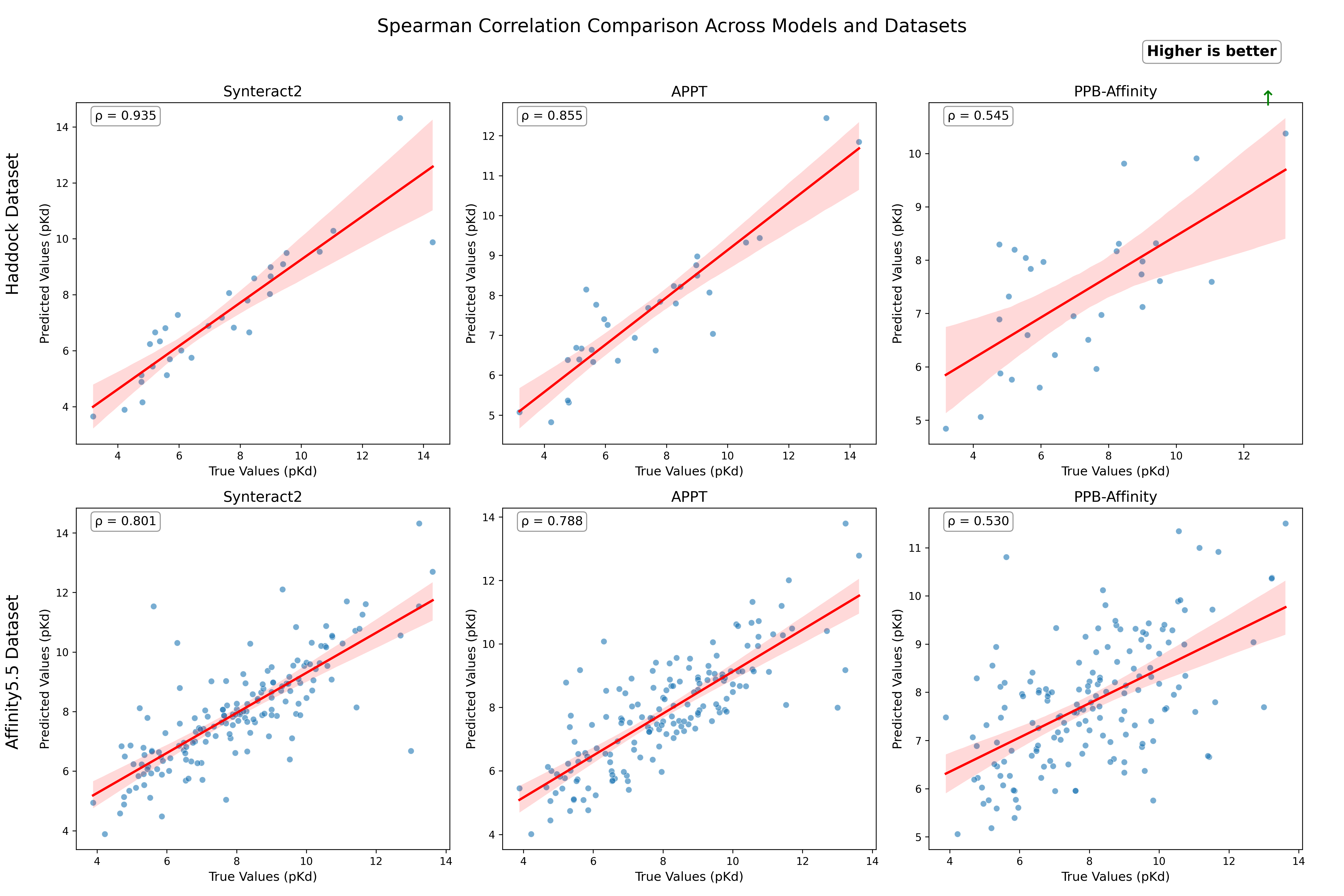
Figure 2: Protein-protein affinity prediction correlations compared with previous models.
The important practical point is ranking. Affinity predictions do not replace binding assays, but they can help decide which pairs deserve additional structure modeling, biochemical measurement, or design iteration.
Binding-Site Prediction
Synteract2 also evaluates binding-site prediction. This is a harder and more spatially specific task: the model must identify which residues are likely to participate in an interface.
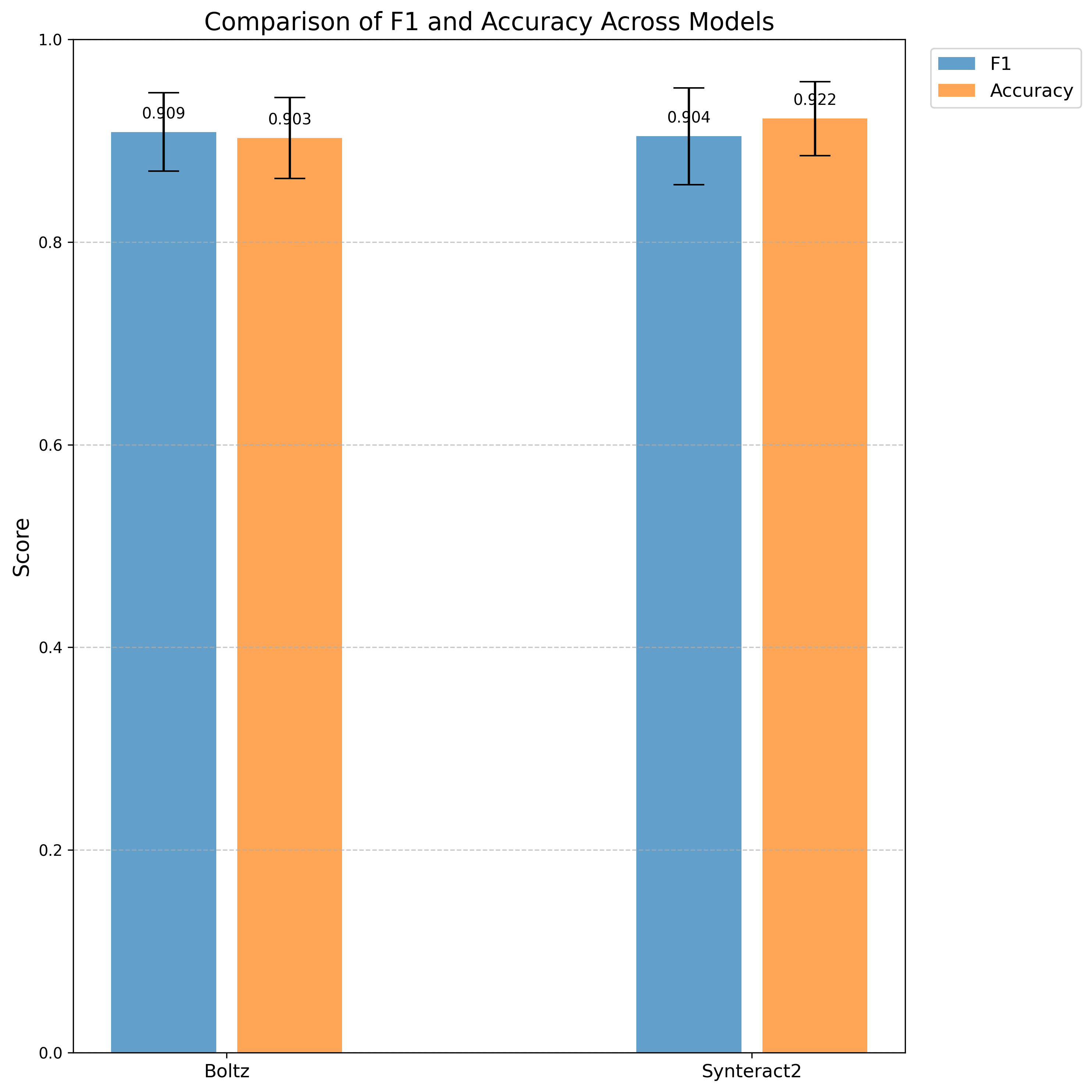
Figure 3: Protein-protein binding-site prediction metrics compared with Boltz1 on an internal test set. Boltz1 may have been trained on these PDB structures.
That caveat matters. Structure-model comparisons can be affected by training data overlap, especially when PDB-derived structures are involved. The figure is useful evidence, but it should be read with that boundary in mind.
Why This Matters for Atlas
Atlas needs interaction predictions that scale, but it also needs outputs that researchers can interpret. A binary score is helpful for screening. Affinity and binding-site signals make the result more actionable.
For design, that can mean ranking candidate binders more carefully. For biology, it can mean identifying interaction regions worth mutagenesis or structural follow-up. For drug discovery, it can mean deciding which relationships deserve deeper target or off-target review.
Limitations
Synteract2 predictions are not binding measurements or solved complex structures. Affinity depends on assay conditions, concentration, conformational state, cofactors, post-translational modification, and cellular context. Binding-site metrics also depend on benchmark construction and possible structure-training overlap.
Treat the model as a prioritization layer. It can help decide where to look next, but it does not replace experimental validation.
Related Research
September 18, 2025
BlogSynteract-4: Interaction Prediction as Retrieval
Synteract-4 reframes protein-protein interaction prediction as sequence-only representation learning at proteome scale.
- Protein Protein Interaction
- Synteract
- Atlas
June 7, 2023
BlogSynteract: Predicting Protein Interactions from Sequence
Synteract showed that large protein language models could help predict protein-protein interactions from amino acid sequence alone.
- Protein Protein Interaction
- Synteract
- Atlas